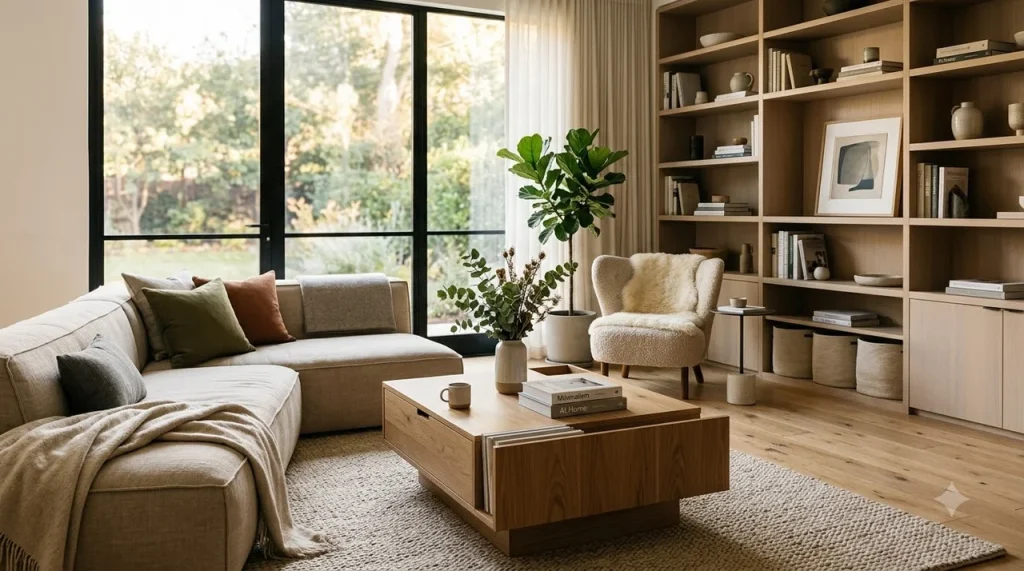
Why Multi-Functional Furniture Is Essential for Small Spaces
Quick Key Takeaway
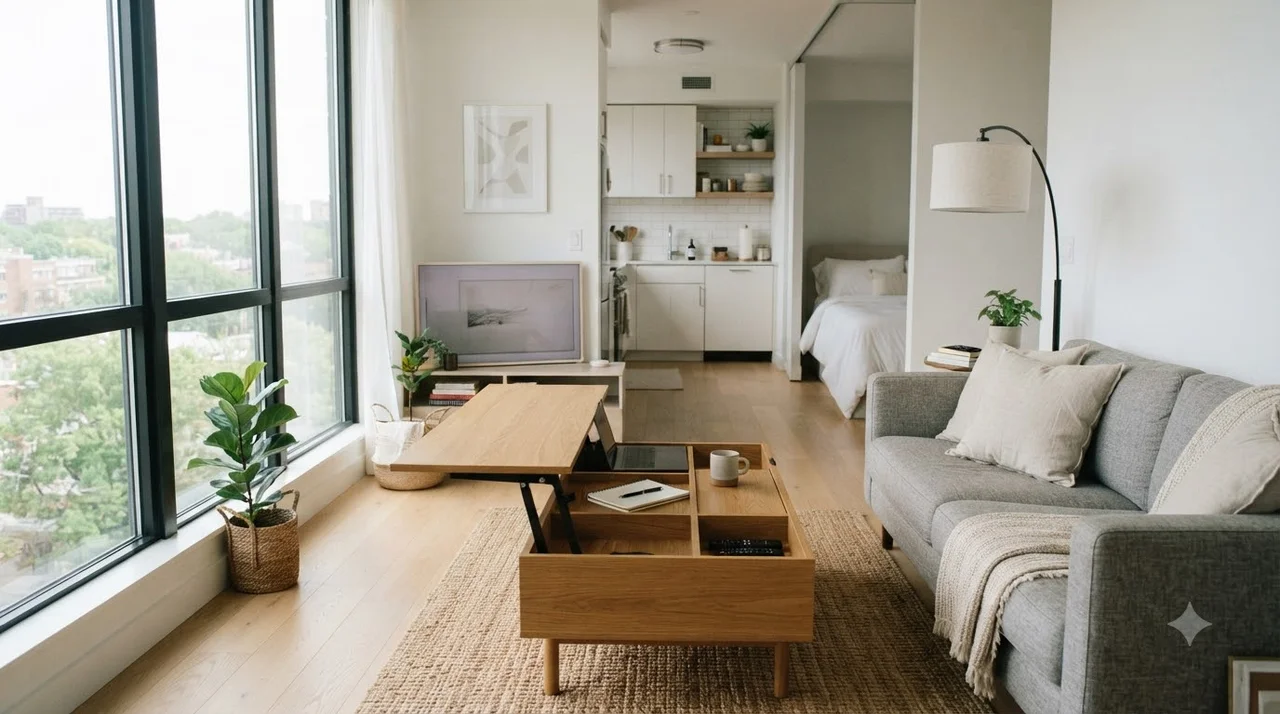
Choosing the best multi-functional furniture for small space living allows you to double your usable floor plan without expanding physical square footage. Prioritizing dual-purpose pieces like lift-top tables and storage daybeds delivers flexible utility while keeping your home uncluttered and stylish.
Living in a studio apartment, high-rise condo, or compact townhouse presents unique spatial challenges. When floor area is at a premium, single-utility furniture pieces quickly create visual clutter and restrict movement. Incorporating smart multi-purpose design converts underutilized corners into practical workstations, dining nooks, and hidden storage vaults.
Modern interior design treats furniture as an adaptive system rather than a static fixture. By investing in adaptable pieces built with durable lift mechanisms, hidden compartments, and modular layouts, you gain full daily functionality across every square foot of your home.
Top Multi-Functional Furniture Categories Compared
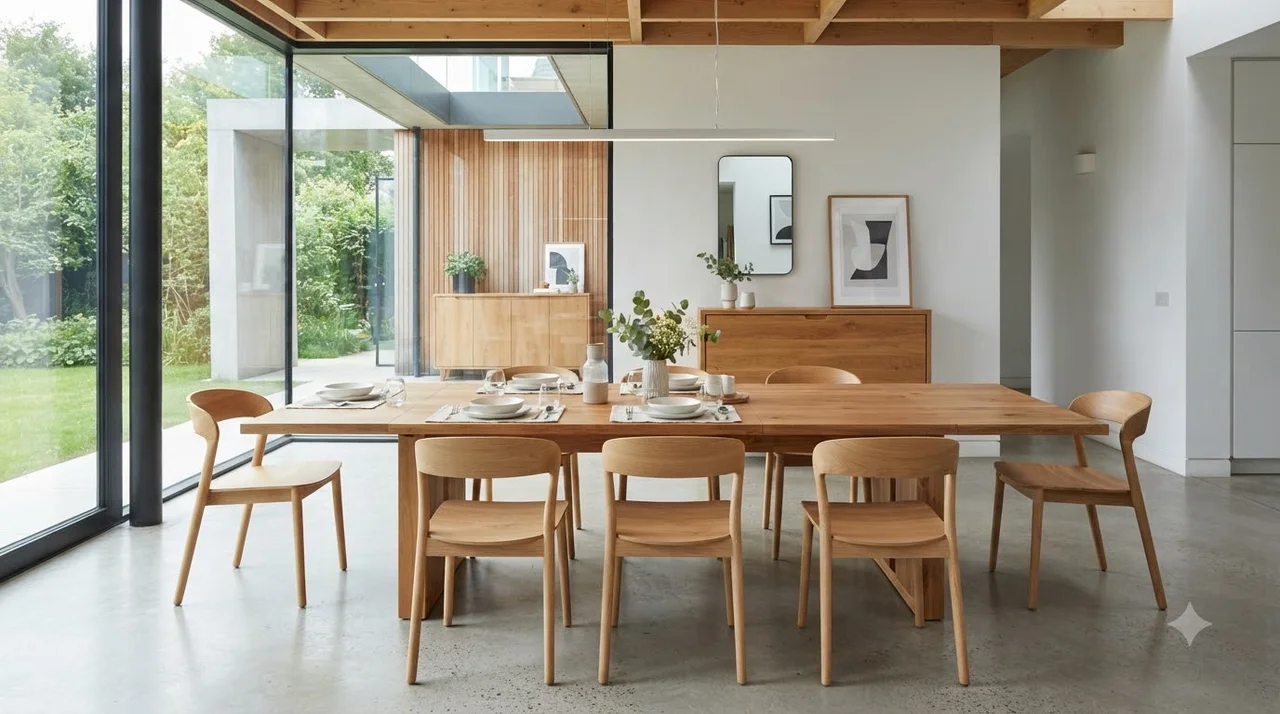
Evaluating functional furniture requires balancing floor clearance, storage capacity, and transformation ease. Here is a breakdown of top space-saving categories commonly used in modern apartments:
| Furniture Type | Primary Dual Functions | Space Saved (Approx.) | Best Room Placement |
|---|---|---|---|
| Lift-Top Coffee Table | Coffee table + Laptop desk + Storage | 15–20 sq ft | Main Living Room |
| Hydraulic Storage Bed | Mattress base + Under-bed wardrobe | 30–40 sq ft | Primary Bedroom / Studio |
| Drop-Leaf Console Table | Entryway console + 4-to-6 person dining | 25–35 sq ft | Hallway / Dining Alcove |
| Modular Sleeper Sectional | Everyday sofa + Guest bed + Chaise storage | 40–50 sq ft | Living / Guest Zone |
Step-by-Step Selection Guide for Compact Living Pieces
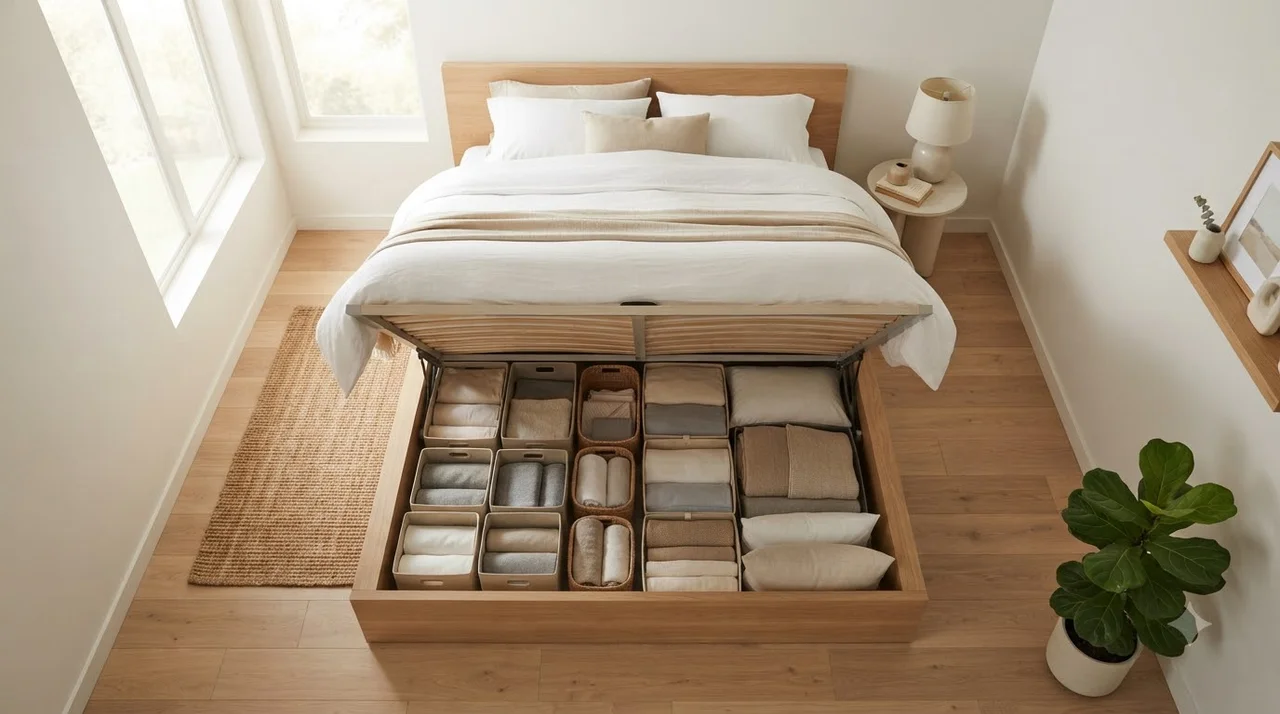
Before purchasing multi-functional furniture for small space living, follow a structured planning process to ensure every dimension matches your physical layout and daily habits:
Measure Clearance Pathways
Ensure at least 30 to 36 inches of unobstructed walkway around transformable furniture when it is fully extended or unfolded.
Evaluate Weight and Mechanical Hardware
Opt for steel gas struts, smooth drawer glides, and heavy-duty hinges rather than lightweight plastic mechanisms that wear out rapidly under daily load.
Select Neutral, Cohesive Visual Profiles
Multi-purpose items take up visual volume. Choose light oak, warm walnut, or muted neutral upholstery to prevent the room from feeling cramped.
Essential Checklist for Buying Space-Saving Pieces
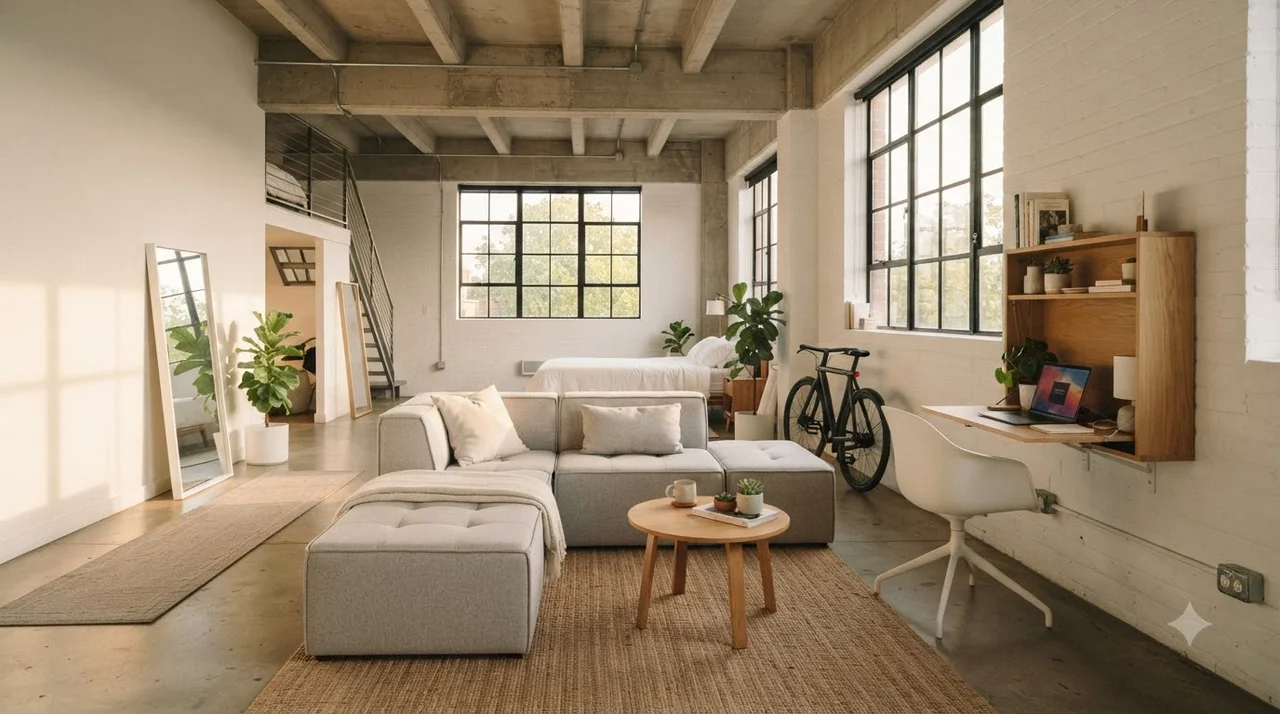
Before ordering transformable pieces online or in-store, verify that your chosen model passes this practical checklist:
- ✔ Dual-Duty Confirmation: The piece serves at least two routine daily purposes without tedious manual resets.
- ✔ Doorway & Elevator Clearance: Carton dimensions fit standard entry doorways (minimum 32 inches width) and stairwells.
- ✔ Hidden Wire & Cord Outlets: Desks and media consoles have dedicated wire cutouts to keep electronic cables hidden.
- ✔ Surface Durability: Scratch-resistant veneer or laminate on high-traffic convertible dining and coffee surfaces.
Common Space-Planning Mistakes to Avoid
Caution: Overcomplicating Transformation Mechanisms
If a furniture piece takes more than 60 seconds of manual reconfiguration to switch modes, you will likely stop utilizing its secondary function within weeks.
A frequent misstep when furnishing compact apartments is buying oversized multi-functional pieces that overwhelm the room’s proportions. A bulky three-seater sofa bed that blocks entryways causes perpetual frustration. Always prioritize leg clearance, wall clearance, and open visual sightlines toward windows to preserve a sense of spaciousness.
“Effective small-space living is not about fitting the maximum number of items into a room; it is about choosing fewer, higher-quality pieces that effortlessly adapt to how you actually live.”
By focusing on streamlined engineering and intuitive conversions, investing in multi-functional furniture for small space living helps you create a clean, elegant, and highly functional home sanctuary.
Frequently Asked Questions
What is the most space-saving furniture piece for a studio apartment?
A lift-up storage bed or a wall-mounted Murphy desk combo provides the highest space-saving return. Under-bed storage utilizes roughly 35 square feet of otherwise dead space to house bulky bedding, winter apparel, and luggage.
Are multi-functional furniture pieces durable for daily use?
Yes, provided you choose pieces engineered with commercial-grade steel hinges, hydraulic gas lifts, and solid hardwood or reinforced plywood frames rather than unreinforced particleboard.
How do I maintain multi-functional furniture hardware?
Inspect mechanical joints every six months, tighten loose screws or fasteners, and apply a light silicone lubricant to moving metal hinges and glides to ensure silent, smooth operation.
References and Links
- Architectural Digest – Small Space Design Solutions
Expert architectural and interior design principles for maximizing small footprints and studio layouts. - Houzz – Space-Saving Interior Ideas
Professional design case studies and furniture layouts tailored for compact and multi-functional residential spaces.
👉 Read Next: Small Kitchen Storage Ideas: 5 Hacks to Maximize Space
👉 Read Next: Minimalist Desk Setup: Boost Productivity & Focus