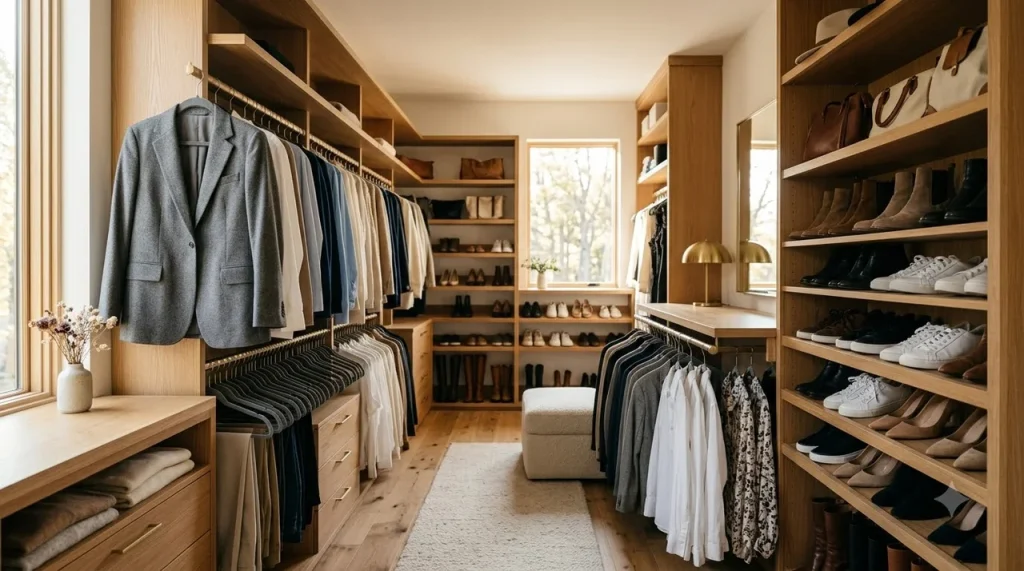
Why Most Closet Makeovers Fail Within Thirty Days
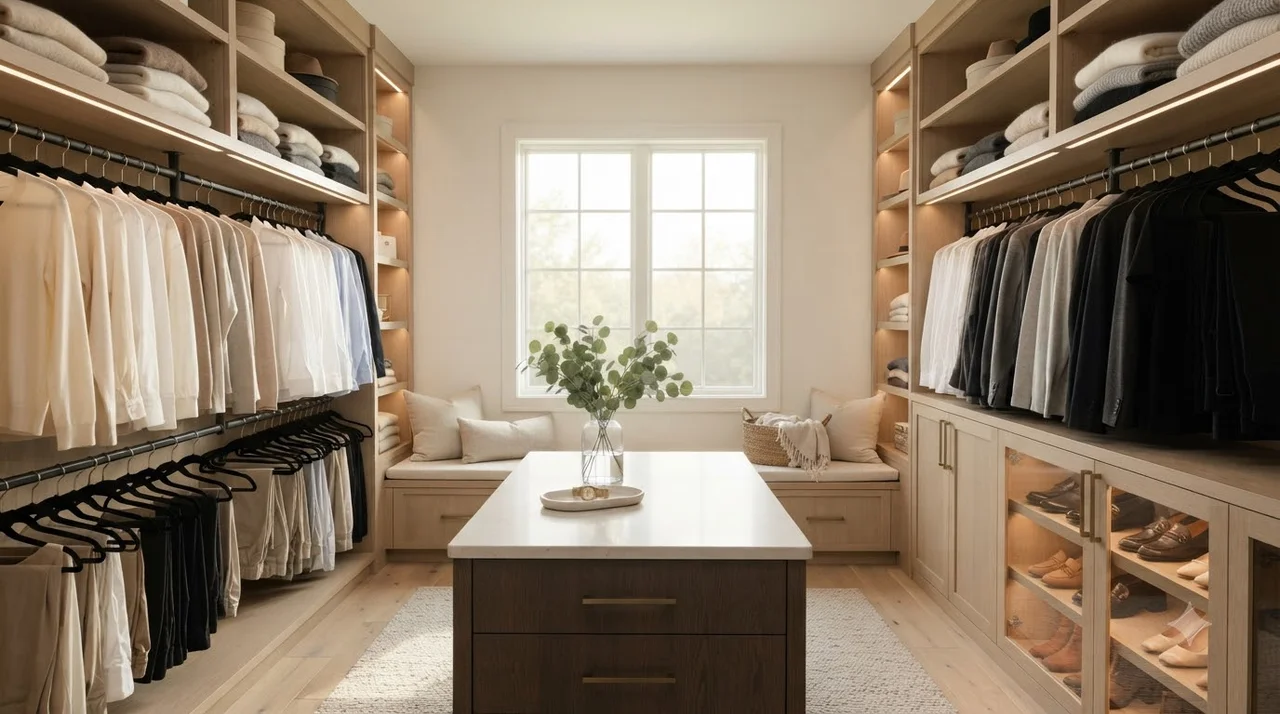
Quick Takeaway: The secret to sustainable wardrobe order is not buying expensive bins, but implementing realistic closet organization habits that actually last. Systems fail when they require more than two steps to put an item away.
Most homeowners spend an entire weekend pulling every sweater and pair of jeans out onto the bed, folding everything with geometric perfection, only to find the closet back in disarray three weeks later. The reason is simple: conventional decluttering focuses on aesthetic staging rather than daily behavioral flow.
When morning routines are rushed and evening energy is low, complex multi-step storage systems collapse. Sustainable order requires low-friction routines designed around how you naturally get dressed and undressed every day.
Step 1: The ‘One-In, One-Out’ Threshold Rule
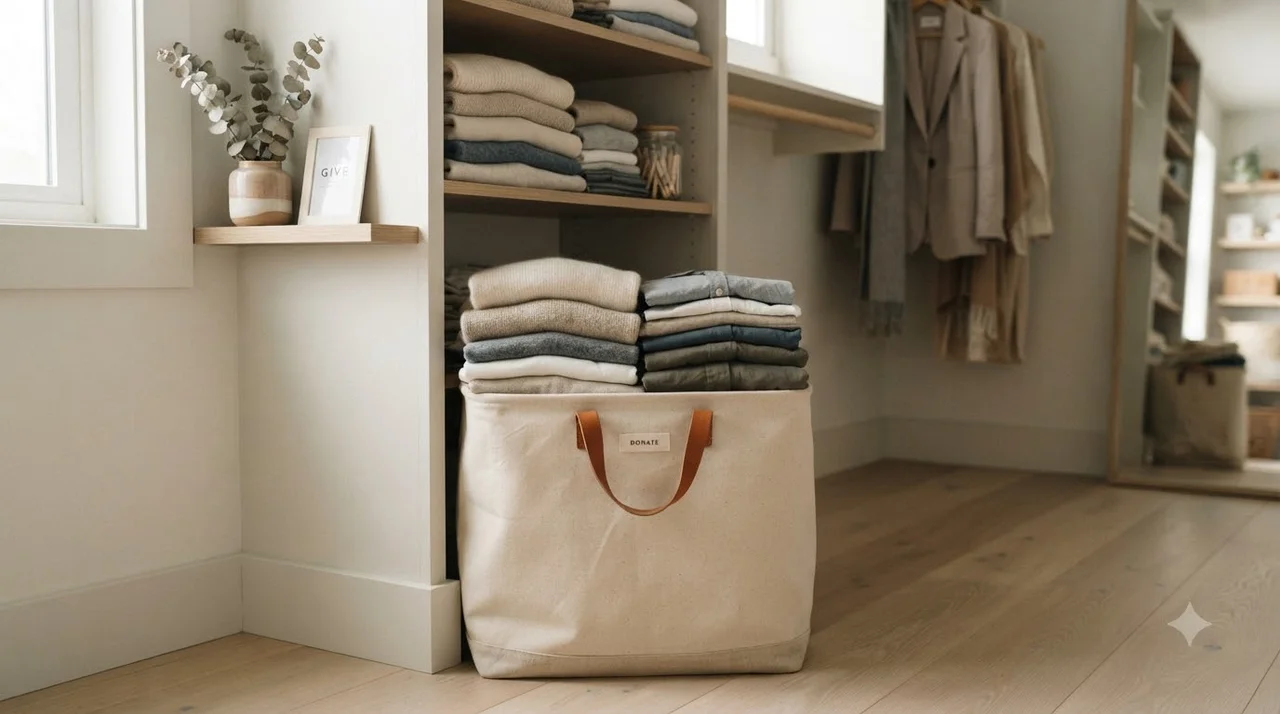
Physical closet space is finite, but seasonal sales and impulse shopping are continuous. The bedrock habit of an uncluttered closet is enforcing a strict volume cap.
How to Automate the One-In, One-Out Habit:
- Dedicated Donation Bin: Keep an attractive canvas tote directly on your closet floor for immediate exits.
- Instant Swaps: Whenever you bring home a new item, immediately select an underutilized counterpart and drop it into the tote.
- Quarterly Drop-offs: When the tote is full, place it in the trunk of your car for your local donation center.
This stops wardrobe bloat before it begins and prevents the dreaded annual purge from ever being necessary again.
Step 2: Designing Frictionless ‘Prime Zones’ by Frequency
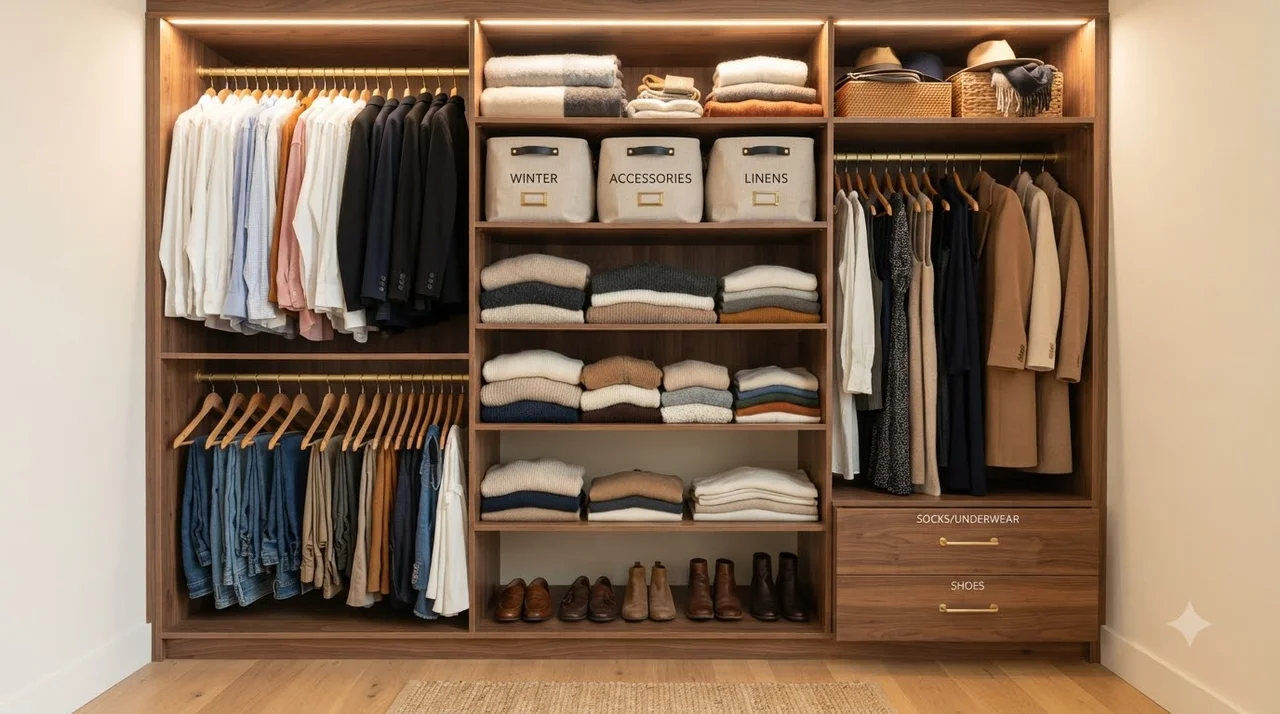
Organizing clothes by color looks pretty on social media, but organizing by frequency of use is what keeps your wardrobe functional over time.
Eye to Hip Level
Daily work shirts, favorite denim, everyday tees, and go-to blazers. Zero barriers to reach.
Lower Shelves & Drawers
Workout gear, loungewear, pajamas, and weekend casuals that tolerate folded storage.
Top Shelves & Back Corners
Formal gowns, suits, heavy winter outerwear, luggage, and off-season storage boxes.
When your most-used items take less than two seconds to grab and replace, clothes never end up draped across the bedroom chair.
Step 3: Standardize Hangers and Fold Uniformly
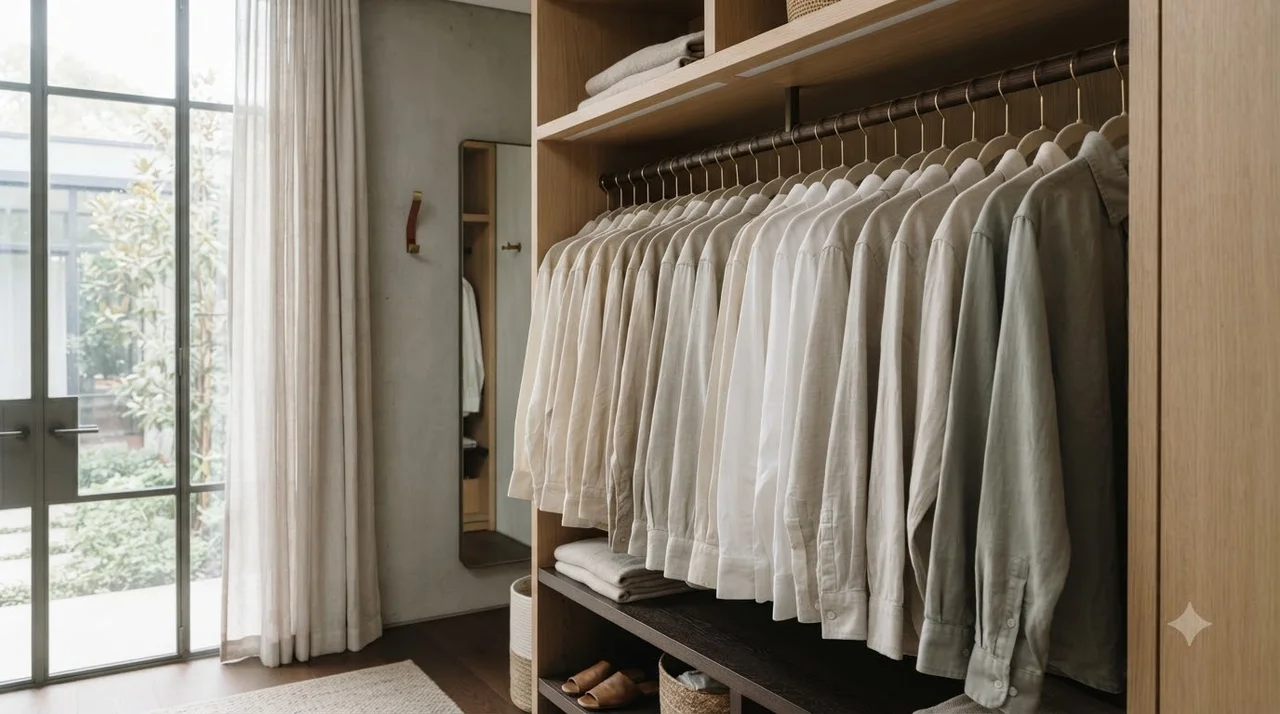
Mismatched wire, plastic, and bulky wooden hangers create visual clutter and snag fabrics, making your closet feel crowded even when it is not.
Pro Organizer Tip: Switching entirely to slim non-slip velvet or streamlined matching wooden hangers instantly recovers up to 30% of horizontal hanging space while keeping clothing aligned at identical heights.
For folded items, adopt file-folding in drawers or use acrylic shelf dividers on open shelving. Dividers keep stacks of sweaters or denim from toppling sideways, preserving structure automatically without constant folding upkeep.
Step 4: Establish the ‘In-Between’ Clothing Solution
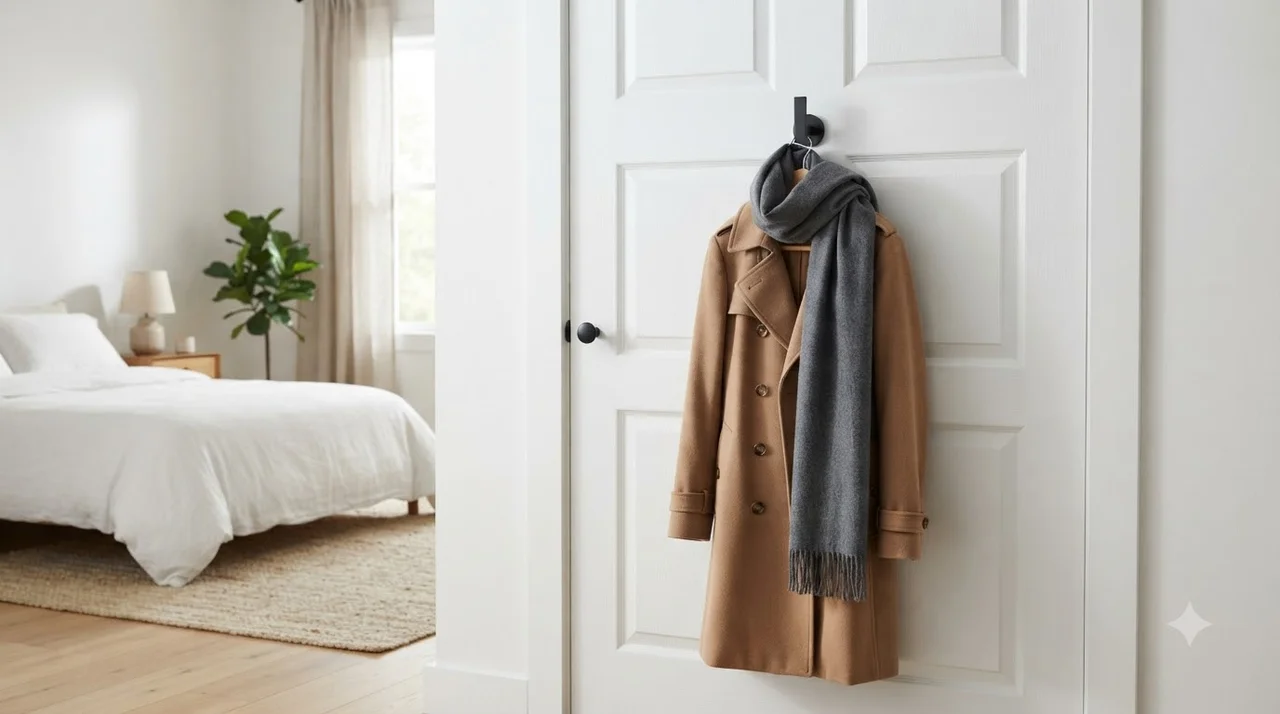
One of the biggest culprits of wardrobe clutter is the limbo pile: clothes worn once that are not dirty enough for laundry, but not fresh enough to hang back with clean items.
Three Clutter-Proof Resting Spots for Worn-Once Items:
- Wall-Mounted Valet Hooks: Install 2 to 3 brass or matte black hooks on the back of the closet door.
- Dedicated Shelf Basket: Use an open wire or woven bin specifically for jeans and cardigans in rotation.
- Right-Hand Rail Space: Reserve the far end of your hanging rod exclusively for re-wearable outerwear.
Giving these items an intentional destination eliminates the notorious ‘clothes chair’ and keeps your floor clear effortlessly.
Step 5: Master the 5-Minute Sunday Closet Reset

Even optimal systems drift toward entropy without periodic recalibration. A quick weekly maintenance loop preserves your setup with almost zero effort.
Committing to these five closet organization habits that actually last ensures your storage system remains rewarding, peaceful, and permanently organized.
Frequently Asked Questions
How often should I thoroughly declutter my wardrobe?
When you practice the one-in, one-out habit consistently, you will only need a quick seasonal review twice a year (spring/summer and fall/winter) to store away off-season garments.
What is the best way to store heavy knit sweaters?
Never hang heavy knitwear, as hangers stretch the shoulders and distort the fabric. Fold sweaters flat on shelves using acrylic dividers or store them gently in open fabric bins.
How do I organize a very small reach-in closet on a budget?
Maximize vertical capacity by adding a second hanging rod, installing over-the-door hooks for accessories, and standardizing all hangers with ultra-slim velvet models to double your rod space.
References and Links
- National Association of Productivity and Organizing Professionals (NAPO)
Leading industry association providing research-backed organizing and productivity systems. - Architectural Digest – Storage & Organization Solutions
Authoritative design publication showcasing expert space optimization and closet layouts.
👉 Read Next: Natural Cleaning Hacks for a Chemical-Free Home Today
👉 Read Next: Smart Morning Habits to Maximize Daily Productivity