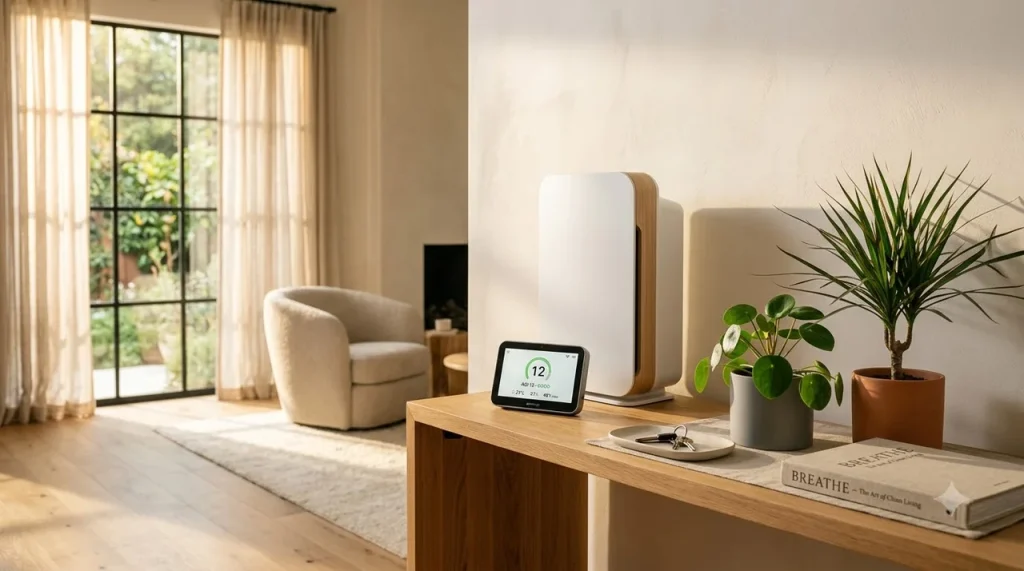
Why Indoor Air Quality Improvement Matters for Every Homeowner

Quick Takeaway
According to the EPA, indoor pollutant concentrations can be 2 to 5 times higher than outdoor levels. Prioritizing indoor air quality improvement through deliberate mechanical and natural ventilation prevents VOC accumulation, halts mold spore proliferation, and safeguards your family’s respiratory health.
Modern American houses are built tighter than ever to maximize energy efficiency. While exceptional insulation reduces monthly utility bills, it also seals in volatile organic compounds (VOCs), off-gassing from furniture, pet dander, cooking smoke, and moisture. Achieving lasting indoor air quality improvement requires an active strategy rather than passive hope.
“Most Americans spend roughly 90% of their daily lives indoors, making structured airflow management and filtration vital pillars of long-term wellness.” — US Environmental Protection Agency
The Three Core Types of Residential Ventilation Systems
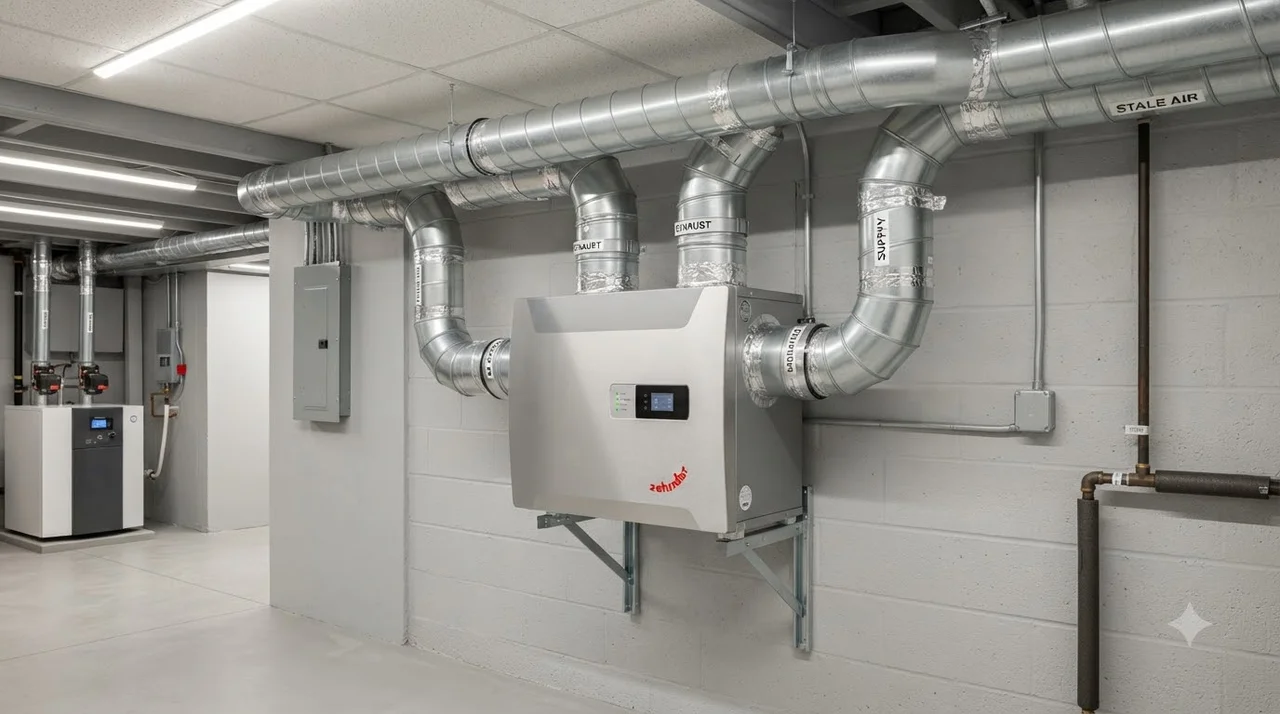
Effective home ventilation is not one-size-fits-all. Understanding how air enters, circulates, and exits your living space helps you pick the right upgrade for your regional climate and square footage.
Step-by-Step Action Plan for Whole-Home Fresh Airflow
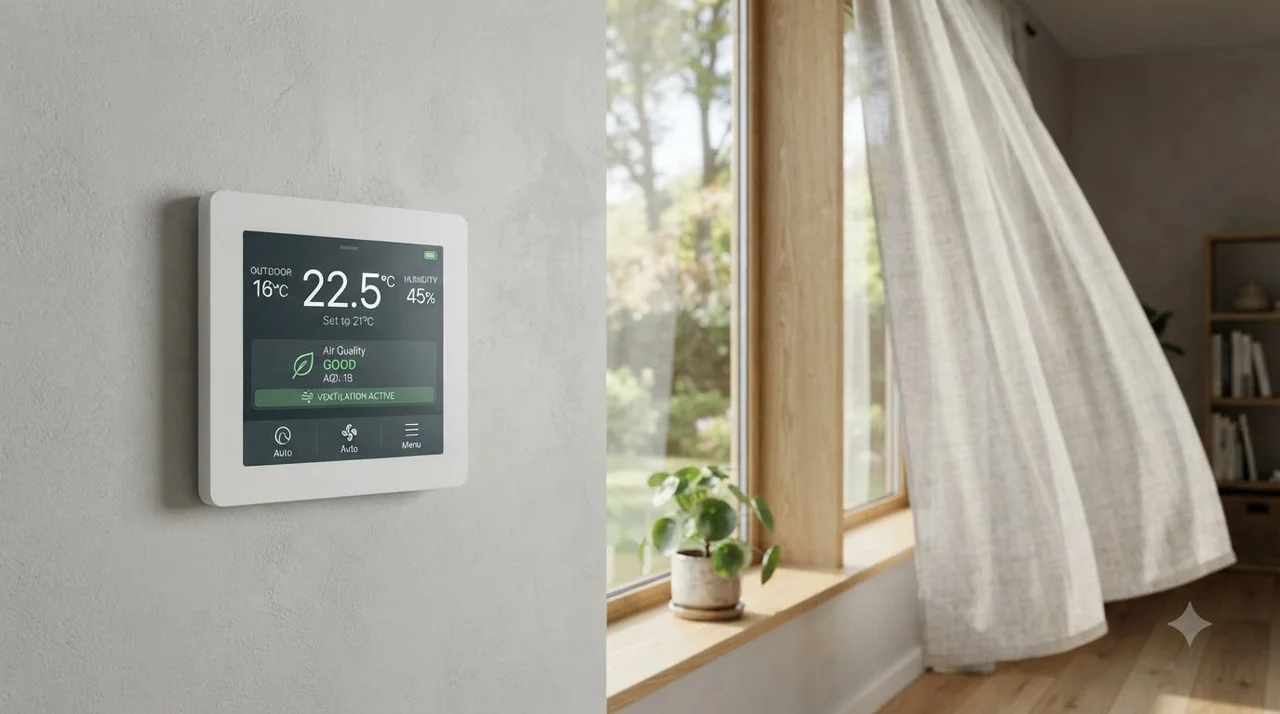
Transforming stuffy rooms into crisp, clean sanctuaries does not require a complete architectural remodel. Follow this step-by-step framework to maximize your daily air turnover rate:
Open windows on opposite sides of your house for 10 to 15 minutes each morning to flush out overnight carbon dioxide buildup.
Turn on your kitchen range hood during cooking and keep bathroom exhaust fans active for at least 20 minutes post-shower.
Switch your smart thermostat fan setting from ‘Auto’ to ‘On’ or ‘Circulate’ for 20 minutes every hour to continuously cycle air through central filters.
Upgrading Air Filtration: Choosing the Right MERV Rating
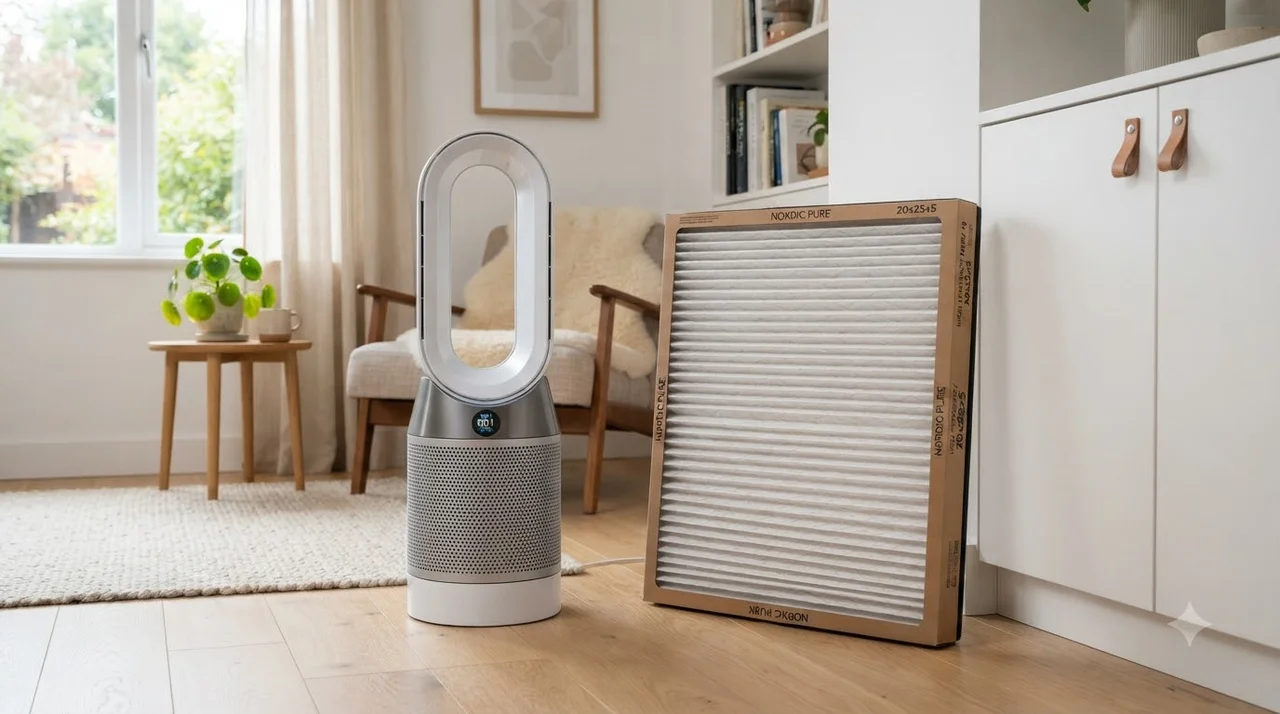
Ventilation brings in fresh air, but filtration ensures that outdoor smog, pollen, and airborne particulates don’t enter your living quarters. Selecting the appropriate Minimum Efficiency Reporting Value (MERV) rating is essential for comprehensive indoor air quality improvement.
Pro HVAC Tip: The EPA and ASHRAE recommend standard residential HVAC systems utilize at least a MERV 13 filter to effectively capture bacteria, smoke particles, and virus carriers without overworking typical residential blower motors.
- MERV 1 to 4: Basic fiberglass filters; protects HVAC equipment from large dust bunnies but offers negligible health benefits.
- MERV 8 to 11: Traps common mold spores, dust mites, and pet dander; suitable for general standard apartments.
- MERV 13 to 16: Captures fine particulate matter (PM2.5), wildfire smoke, and airborne droplet nuclei for optimal protection.
Common Home Ventilation Mistakes to Avoid
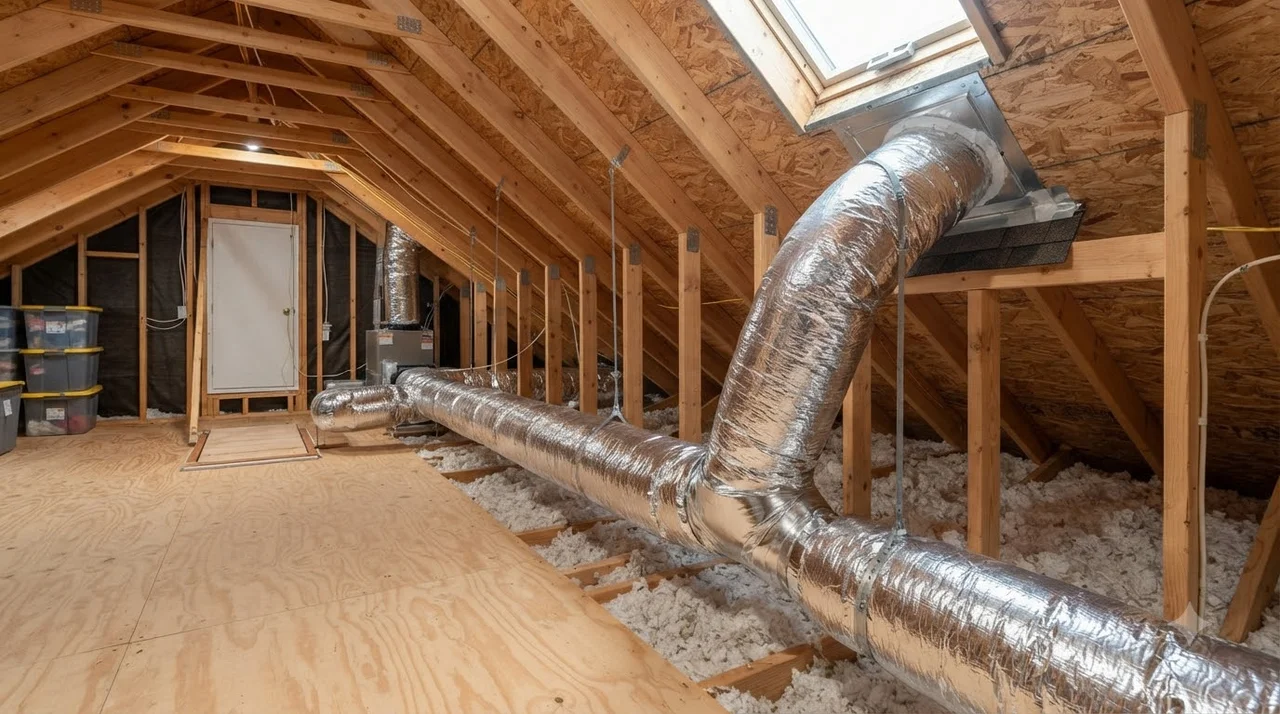
Even well-intentioned homeowners frequently commit everyday blunders that hinder indoor air quality improvement. Avoiding these pitfalls will save energy and safeguard your lung health:
- Venting Bathroom Exhaust into the Attic: Never dump humid exhaust air into unconditioned attic spaces, as it guarantees wood rot and black mold proliferation. Always duct directly outdoors.
- Closing Supply Registers in Unused Rooms: Shutting more than 10% of your HVAC vents disrupts system pressure balances and creates stagnant pockets.
- Ignoring Relative Humidity Levels: Keep indoor humidity strictly between 30% and 50% using dehumidifiers in summer and balanced airflow in winter to curb dust mite colonies.
Essential Daily and Seasonal Home IAQ Maintenance Checklist
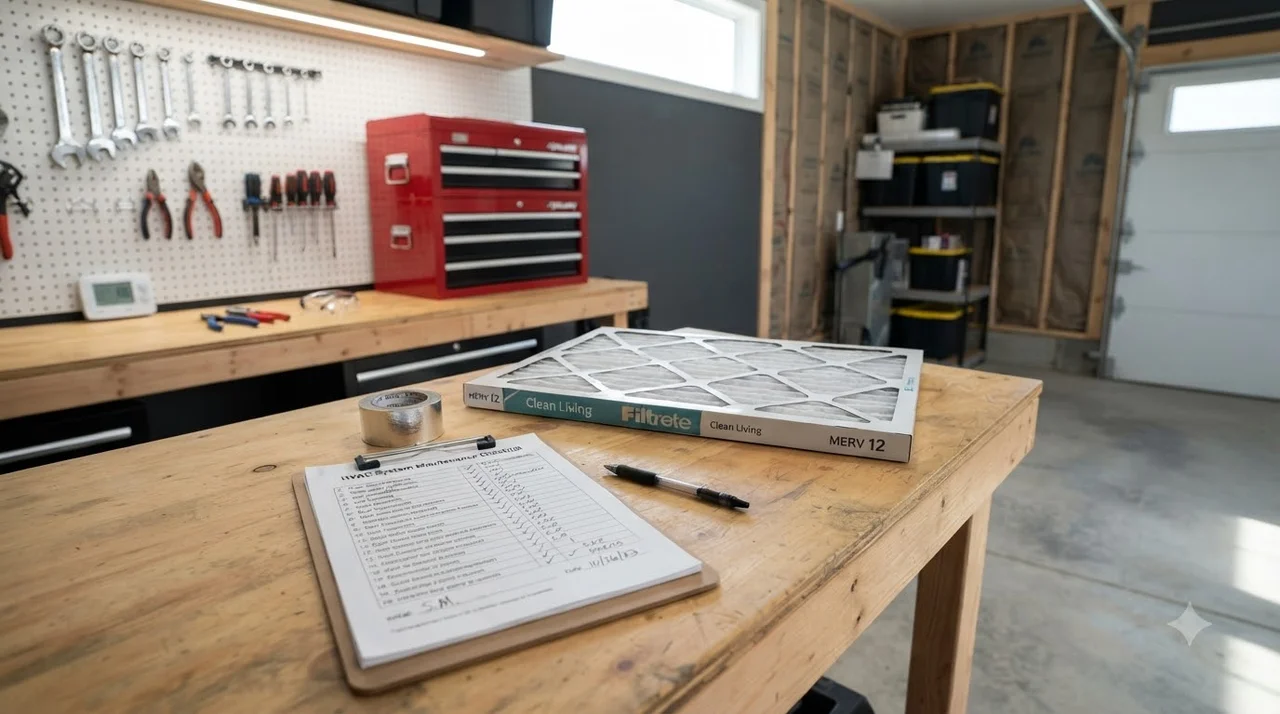
Consistently clean air relies on routine micro-habits. Use this practical maintenance checklist to keep your home’s airflow systems operating at peak performance throughout the year:
Actionable IAQ Checklist
- ✓ Monthly: Inspect central HVAC pleated filters; replace every 60–90 days (or 30 days if you have multiple pets).
- ✓ Bi-Weekly: Vacuum return air grilles and wipe down bathroom exhaust fan covers with microfiber cloths.
- ✓ Seasonal: Inspect ERV/HRV core filters and clean exterior intake hoods free of leaves, dust, and debris.
- ✓ Annually: Schedule professional HVAC duct inspection and test for radon gas in low-level living areas.
Implementing these deliberate strategies ensures that your pursuit of indoor air quality improvement delivers revitalizing, restorative air in every single room of your home.
Frequently Asked Questions
How often should I ventilate my home to maintain good indoor air quality?
Ideally, open windows for 10 to 15 minutes twice a day to induce rapid cross-ventilation. If you live in an area with extreme weather or high outdoor pollution, rely on a dedicated mechanical ventilation system (such as an ERV/HRV) or continuous HVAC circulation equipped with a MERV 13 filter.
What is the difference between an HRV and an ERV system?
A Heat Recovery Ventilator (HRV) transfers only sensible thermal energy between incoming and outgoing air streams, making it ideal for dry, cold northern climates. An Energy Recovery Ventilator (ERV) transfers both heat and moisture, helping maintain balanced indoor humidity in both humid summers and cold winters.
Will opening windows increase my heating or cooling bills significantly?
Short, targeted bursts of cross-ventilation (known as shock ventilation) replace indoor stale air without cooling down or heating up the physical mass of your walls and furniture, resulting in minimal impact on your energy bills.
References and Links
- US EPA: Care for Your Air – A Guide to Indoor Air Quality
Official Environmental Protection Agency guidelines on indoor pollutants, source control, and ventilation strategies. - ASHRAE Standard 62.2 – Residential Ventilation and IAQ
The national benchmark standard for mechanical and natural residential ventilation rates. - CDC: Improving Ventilation in Your Home
Actionable steps to improve indoor air circulation and reduce airborne viral particle concentrations.
👉 Read Next: Essential Kitchen Tools for a Functional Space
👉 Read Next: Organize and Maintain Camping Gear: Smart Home Storage