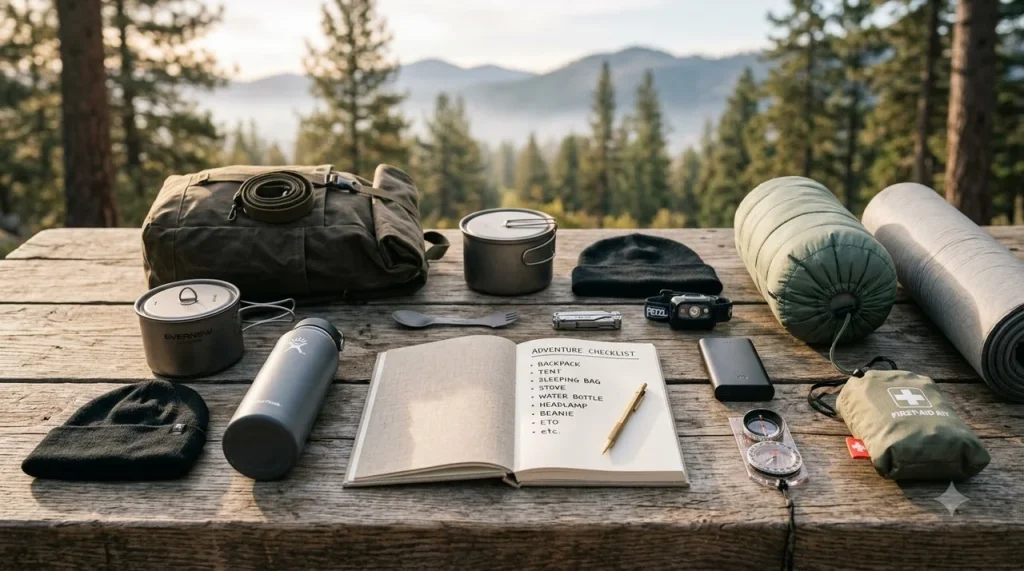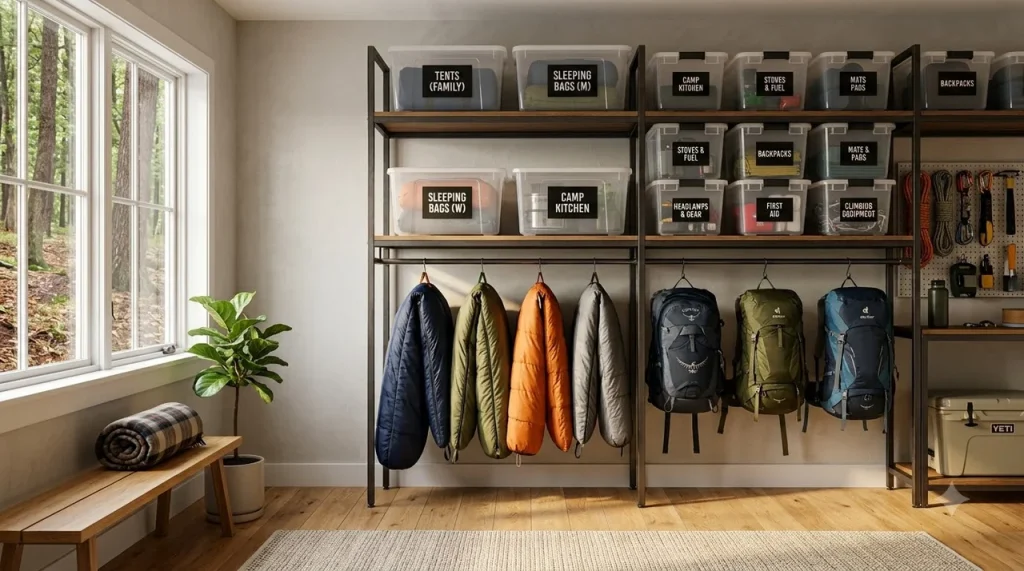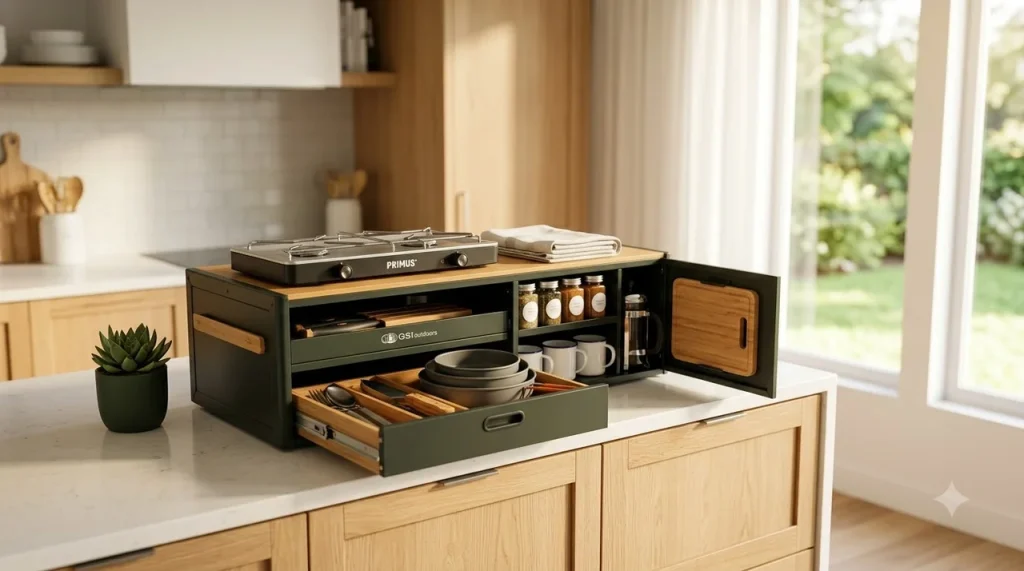
Why Upgrading to a Compact Camp Kitchen Matters
Key Takeaway:
A streamlined Compact Camp Kitchen transforms outdoor cooking from a cluttered chore into an effortless campsite culinary experience. By selecting multifunctional, nesting cookware and modular storage, you reduce pack volume by over 40% while ensuring reliable, gourmet-level meal preparation in the wild.
Cooking in the great outdoors should be a rejuvenating escape, not an exercise in rummaging through chaotic plastic totes for a misplaced spatula. Whether you are weekend car camping in a state park or road-tripping along national park scenic byways, your culinary setup dictates the pace and enjoyment of every meal.
Traditional kitchen gear is heavy, bulky, and prone to rattling during transit. Investing in a thoughtfully curated Compact Camp Kitchen system allows you to pack lighter, prep meals quicker, and spend more quality time unwinding around the campfire.
Essential Cookware Materials: Hard-Anodized vs Cast Iron vs Titanium
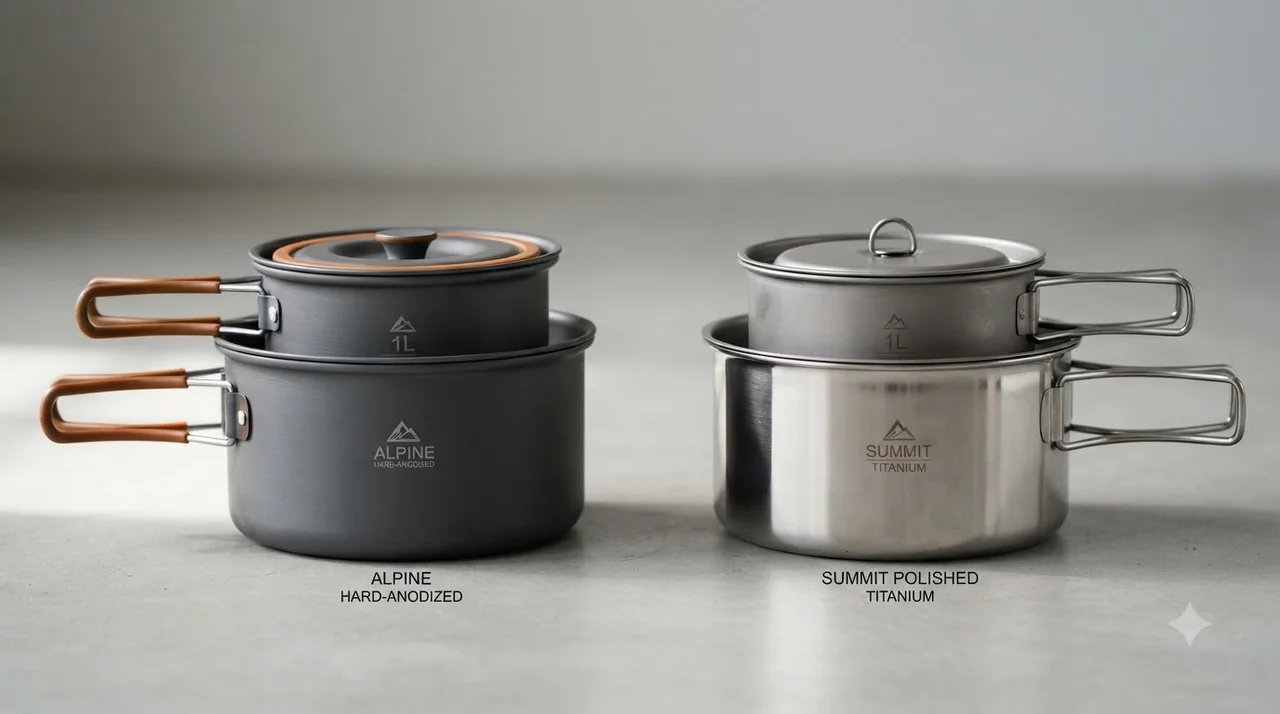
Choosing the best material for your Compact Camp Kitchen depends heavily on your camping style, vehicle cargo capacity, and favorite outdoor recipes. The comparison table below highlights key attributes to help balance weight, heat distribution, and durability.
Hard-Anodized Aluminum
Even heat conduction, lightweight, and scratch-resistant coating.
Best for: All-around car camping & skillet meals
Enamelled Cast Iron
Superior heat retention and open-flame durability, though heavier.
Best for: Searing steaks & Dutch oven baking
Ultralight Titanium
Featherlight and corrosion-proof, perfect for rapid boiling.
Best for: Fast boiling, dehydrated meals & minimalist kits
For most outdoor enthusiasts, a multi-piece hard-anodized nesting set combined with a single 8-inch cast iron skillet provides the ultimate versatile combination for both delicate simmer sauces and rugged campfire searing.
Step-by-Step Guide to Setting Up an Efficient Outdoor Cook Station
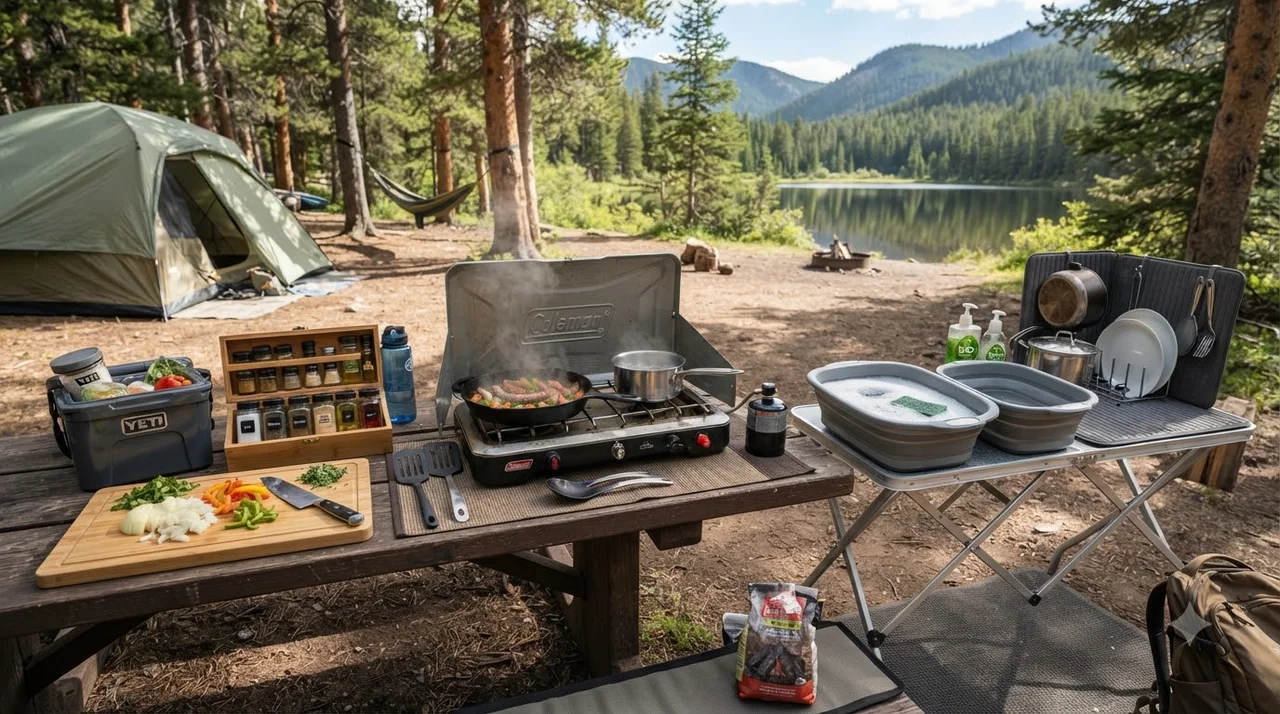
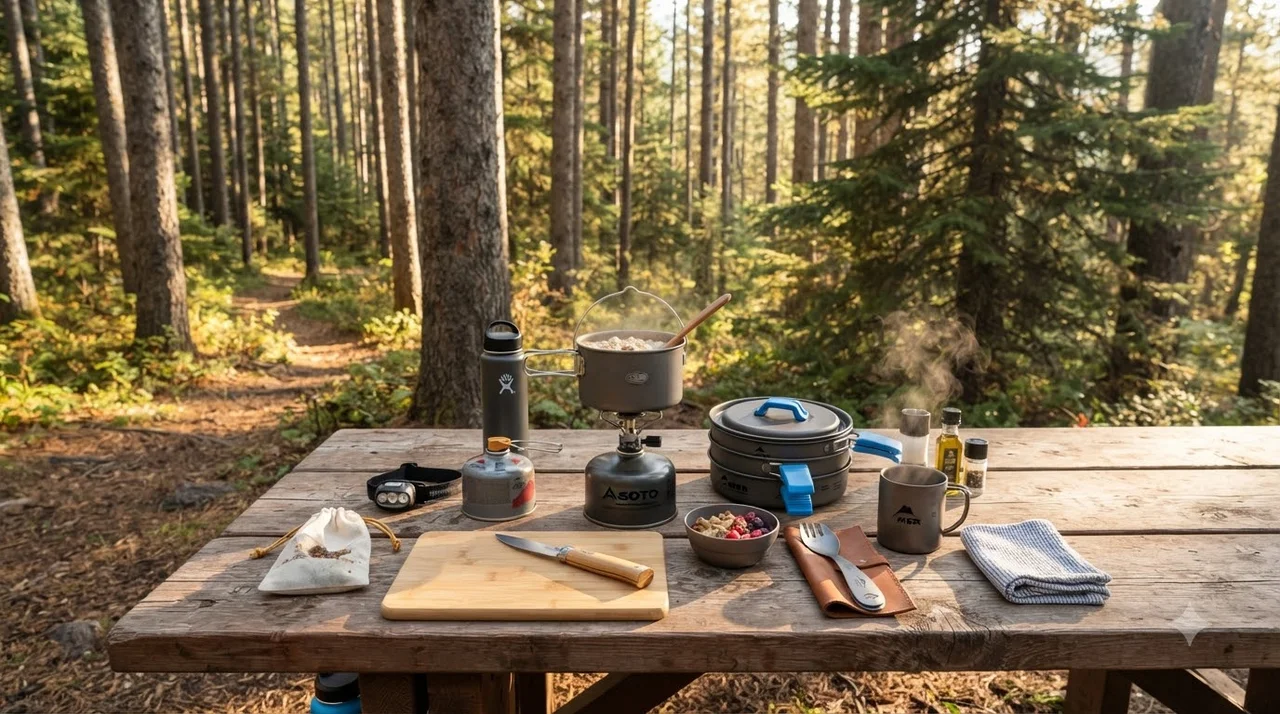
Creating a seamless mealtime workflow requires thoughtful spatial organization. Follow these structured steps to arrange your Compact Camp Kitchen quickly at camp:
Position your portable stove on a sturdy, flat table away from dry brush. Ensure the stove wind-guards are angled properly to maximize fuel efficiency.
Keep your sheathed chef knife, fold-out cutting board, and spice caddy in a dedicated roll-up organizer directly adjacent to your prep zone.
Set up collapsible wash basins (wash, rinse, sanitize) with biodegradable soap and a quick-dry microfiber towel before you start cooking.
Essential Camp Kitchen Packing Checklist
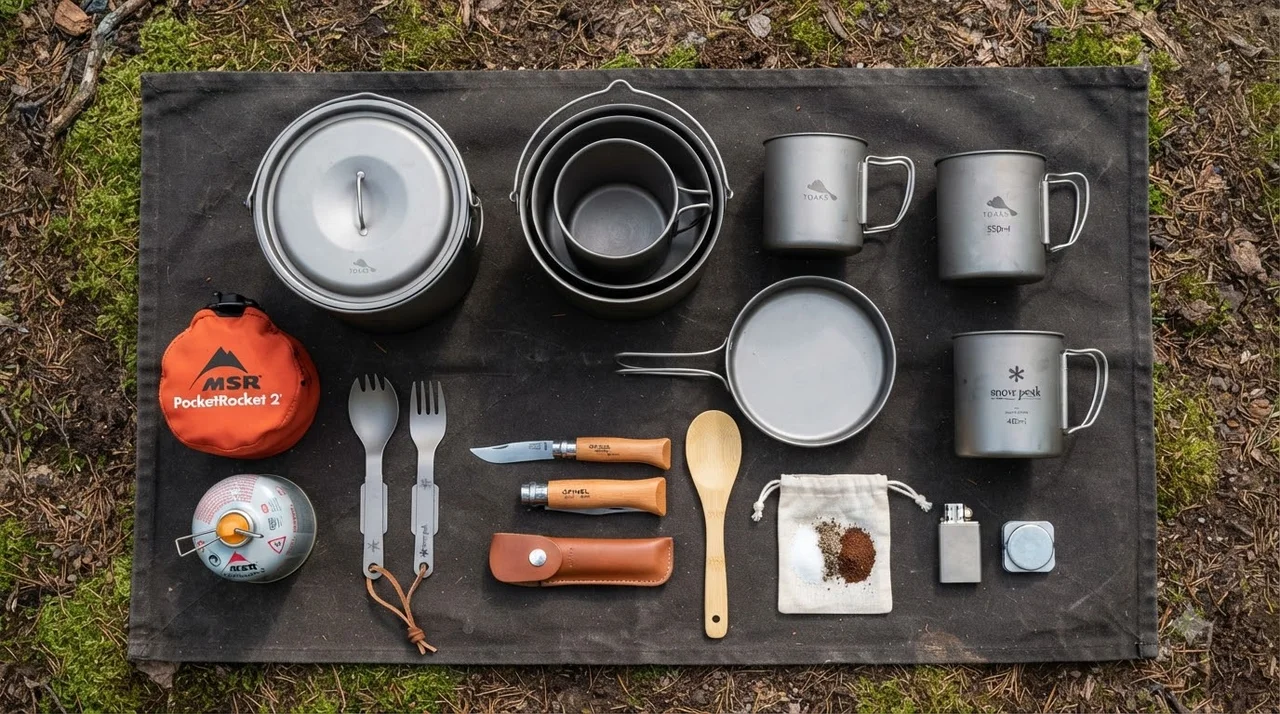
Before heading out into the wilderness, double-check your camp culinary gear against this essential inventory checklist to prevent missing critical items:
Compact Camp Kitchen Gear Checklist
- ✔ Nesting Cookset: 2-liter pot, 1-liter saucepan, silicone-grip lid
- ✔ Frying Pan: 8 to 10-inch nonstick or pre-seasoned cast iron skillet
- ✔ Multi-Tool Utensil Set: Heat-resistant silicone spatula, tongs, serving spoon
- ✔ Prep Kit: Foldable cutting mat, sheathed 6-inch santoku knife, can opener
- ✔ Cleanup & Safety: Collapsible wash basin, biodegradable soap, heat pads
Critical Outdoor Kitchen Mistakes to Avoid & Leave-No-Trace Rules
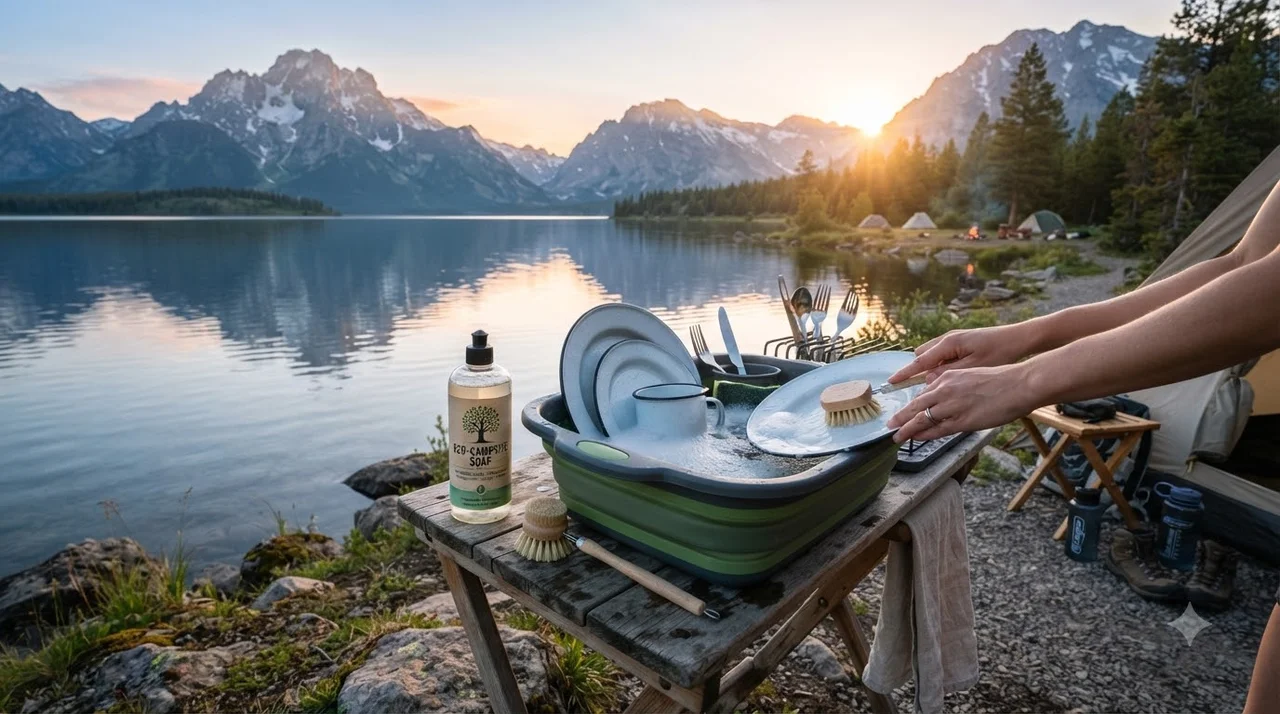
Even experienced campers occasionally encounter frustrating meal mishaps. Avoid common pitfalls by implementing safe food storage and responsible cleaning practices.
Important Camp Food Safety Alert:
Never dispose of greasy dishwater near natural freshwater sources or directly at your campsite. Strain food solids into a trash bag and scatter greywater at least 200 feet away from lakes, rivers, and tents to deter wildlife.
Another common mistake is packing overly bulky kitchenware from home. Fragile ceramic plates and oversized home pans take up unnecessary trunk space and scratch easily. Choosing purpose-built nested camping gear ensures longevity and rapid meal turnover.
Frequently Asked Questions
What cookware is most essential for a compact camp kitchen?
The core essentials include a nesting hard-anodized aluminum cookset (a 2L pot and 1L pot), a compact 8-inch nonstick or cast-iron skillet, a heat-resistant spatula, tongs, a collapsible wash basin, and a sheathed chef knife.
How do I clean camp cookware without damaging nonstick coatings in the wild?
Use warm water, a soft non-abrasive microfiber cloth or silicone sponge, and a small amount of biodegradable unscented soap. Never use steel wool or metal utensils on nonstick outdoor cookware.
How much fuel should I pack for a weekend camping trip?
A standard rule of thumb is packing approximately 1.5 to 2 ounces of fuel per person per day for simple boiling, or two 16 oz propane cylinders for a 2-burner car camping stove over a 3-day weekend.
References and Links
- REI Expert Advice – Camp Kitchen Checklist
Comprehensive outdoor gear and packing guidelines for car camping and backcountry food prep. - Leave No Trace Center for Outdoor Ethics
Official principles for outdoor waste disposal, camp kitchen cleanup, and wildlife preservation.
👉 Read Next: Minimalist Desk Setup: Boost Productivity & Focus
👉 Read Next: Essential Kitchen Tools for a Functional Space