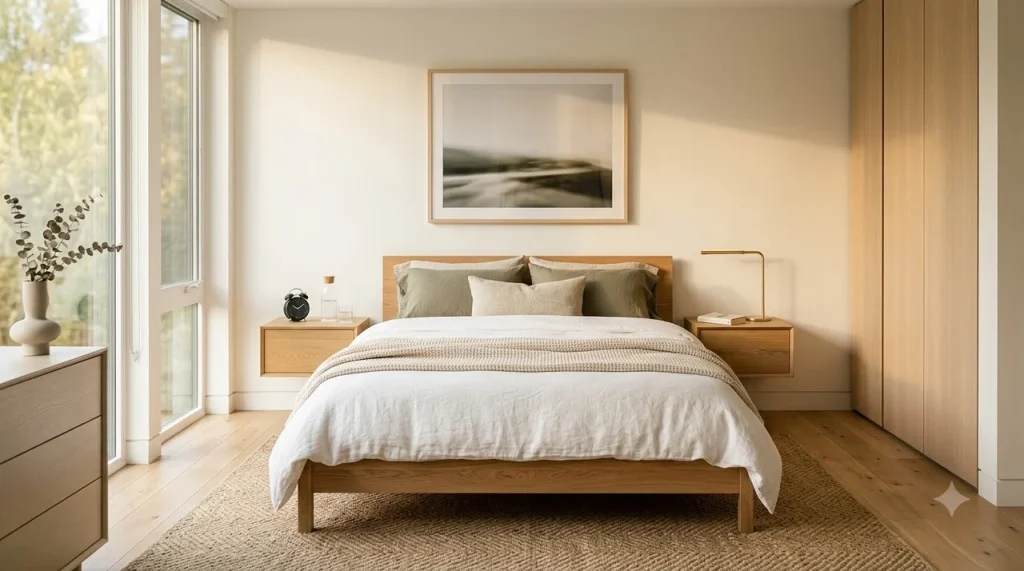
Master Your Bedroom Environment for Better Sleep: Quick Core Essentials
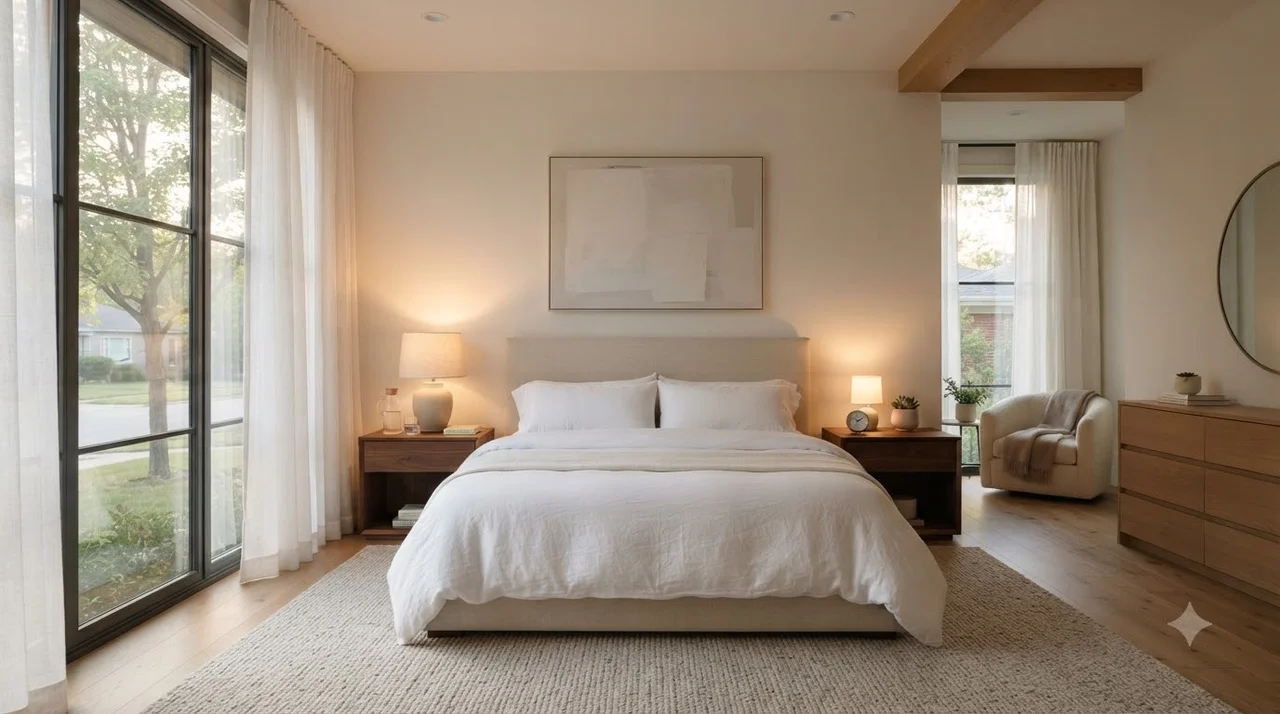
Quick Key Takeaway
Optimizing your bedroom environment for better sleep relies on four non-negotiable scientific pillars: maintaining a cool room temperature between 60°F and 67°F (15.5°C to 19.4°C), eliminating intrusive ambient light, filtering ambient noise with acoustic masking, and sustaining superior indoor air quality with low CO2 levels.
If you wake up feeling groggy, fatigued, or unrefreshed, your physical surroundings might be silently sabotaging your circadian rhythm. While diet, stress management, and daily exercise are critical, setting up an optimal bedroom environment for better sleep is the single fastest and most controllable way to boost slow-wave deep sleep and rapid eye movement (REM) cycles.
By taking charge of your immediate sleep sanctuary—controlling thermal swings, light exposure, acoustic disturbances, and mattress ergonomics—you signal to your nervous system that it is completely safe to shift into a restorative parasympathetic state.
Dialing in Optimal Room Temperature and Thermal Comfort
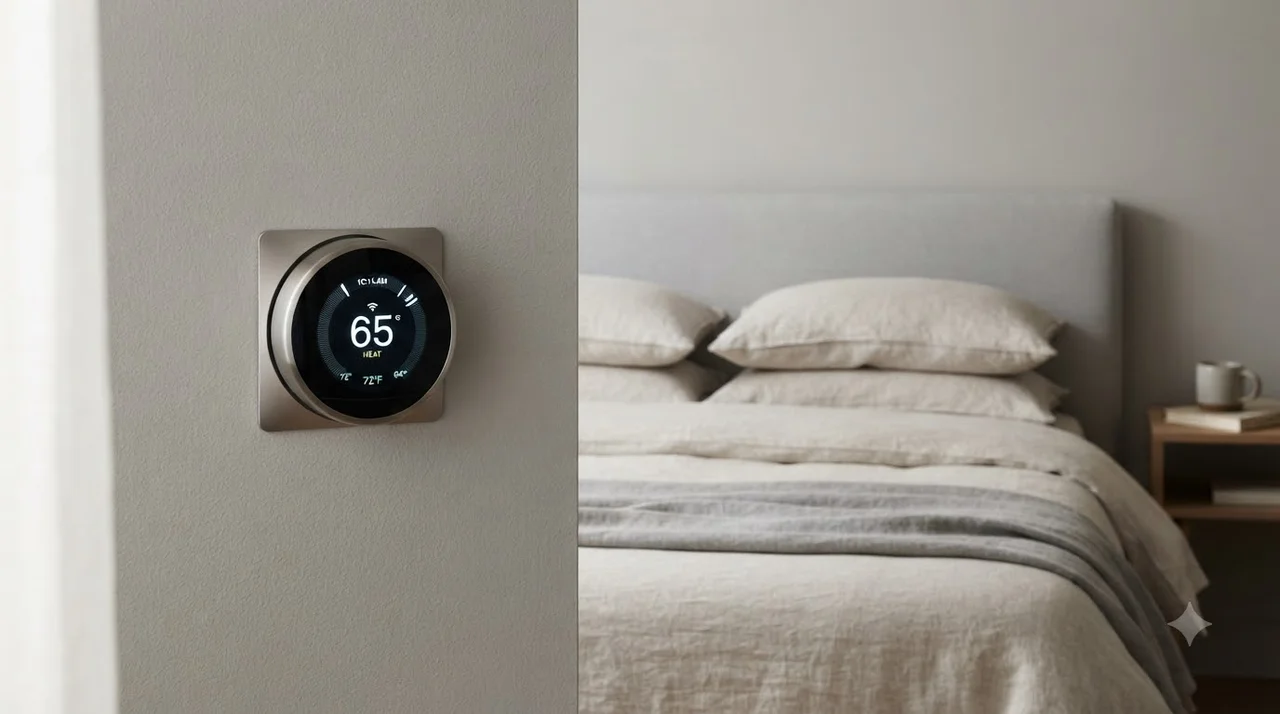
During the onset of sleep, your body naturally sheds core heat by dilating blood vessels in your hands and feet. If your bedroom is too warm, this thermoregulatory process is severely delayed, leading to frequent micro-arousals and fragmented sleep architecture.
Thermostat Setting
Set your smart thermostat between 65°F and 68°F. This gold-standard range prevents thermal sweating while supporting continuous slow-wave sleep cycles.
Breathable Bedding
Swap heavy synthetic fabrics for natural, temperature-regulating textiles like 100% long-staple cotton, organic linen, or eucalyptus Lyocell.
Humidity Targets
Keep relative bedroom humidity strictly between 30% and 50% to prevent irritated airway passages and sticky night sweats.
Darkness Control: Blocking Blue Rays and Melatonin Disruptors
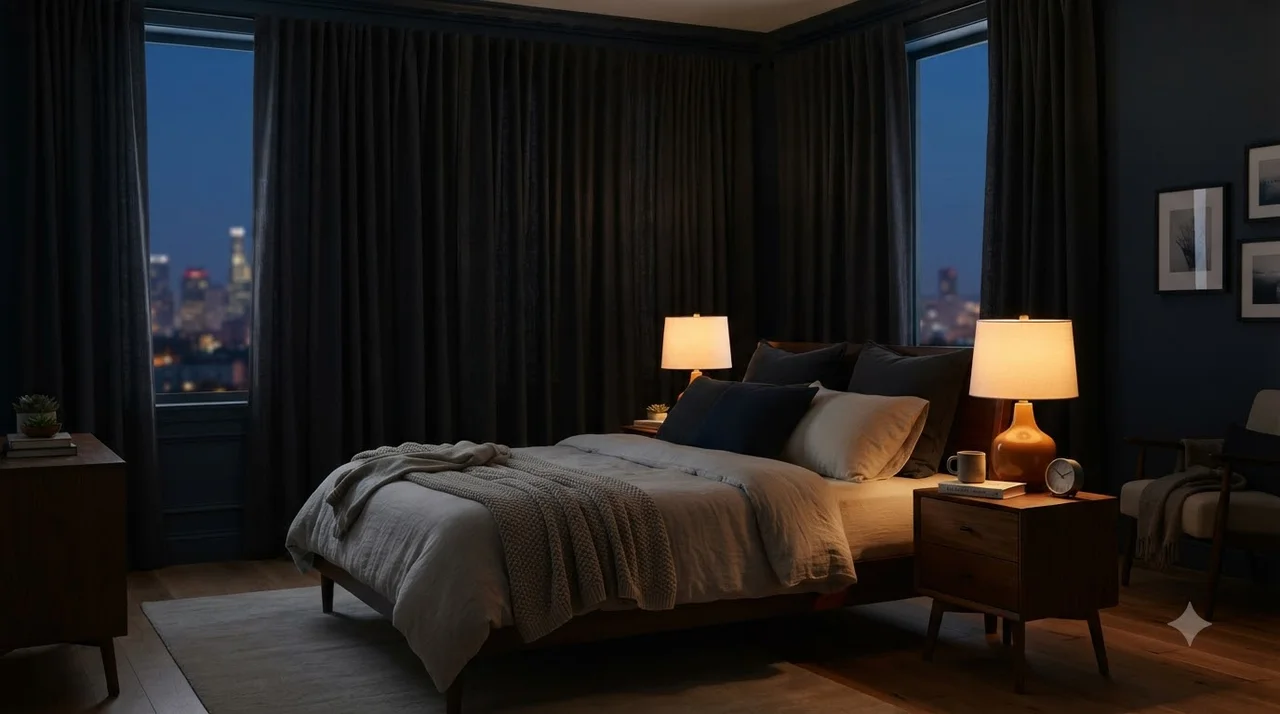
Your eyes possess specialized intrinsically photosensitive retinal ganglion cells (ipRGCs) that detect light wavelengths between 460 nm and 480 nm. Even minuscule amounts of light leaking into your bedroom suppress evening melatonin synthesis, pushing back your natural sleep latency window.
Standard blinds often leak edge light. Use custom ceiling-to-floor blackout curtains or double-cell cellular honeycomb shades to achieve pitch-black room conditions.
Cover tiny power indicator lights on televisions, air purifiers, and charging bricks with specialized adhesive blackout stickers.
Use bedside reading lamps fitted with warm amber or red bulbs (below 2,200 Kelvin) to prepare your brain naturally for sleep 60 minutes before lights-out.
Acoustic Engineering and Indoor Air Quality Optimization
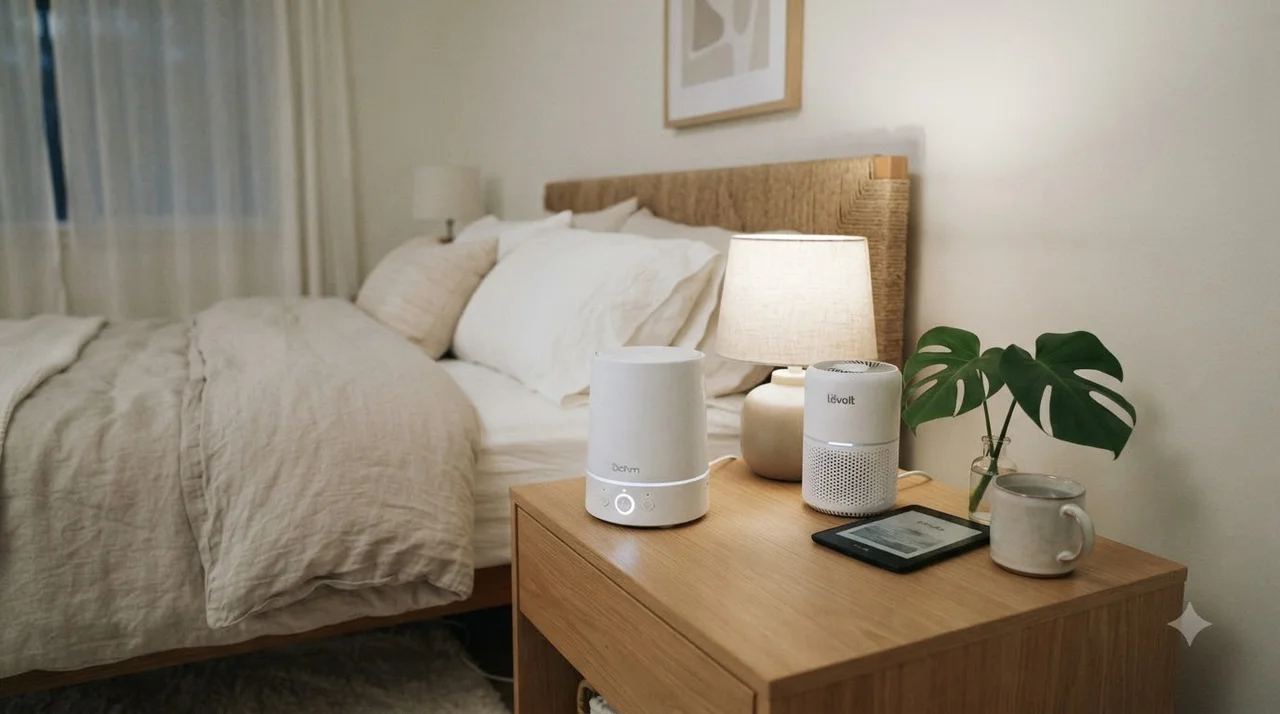
Sudden peak decibel spikes from sirens, outdoor street noise, or pets alter heart rate and elevate cortisol levels even when you remain unconscious. Simultaneously, stale air with elevated carbon dioxide levels degrades slow-wave sleep depth.
A dedicated sound machine smoothing out abrupt ambient noises creates an acoustic buffer zone that preserves uninterrupted non-REM rest.
Running a true HEPA air filter cuts down airborne allergens and dust, while proper nighttime ventilation keeps room CO2 levels well below 1,000 ppm.
Pro Tip: Keep doors cracked open slightly or use passive window vents if your master bedroom lacks dedicated fresh air circulation to prevent carbon dioxide buildup overnight.
Essential Daily Maintenance and Bedtime Sanctuary Checklist
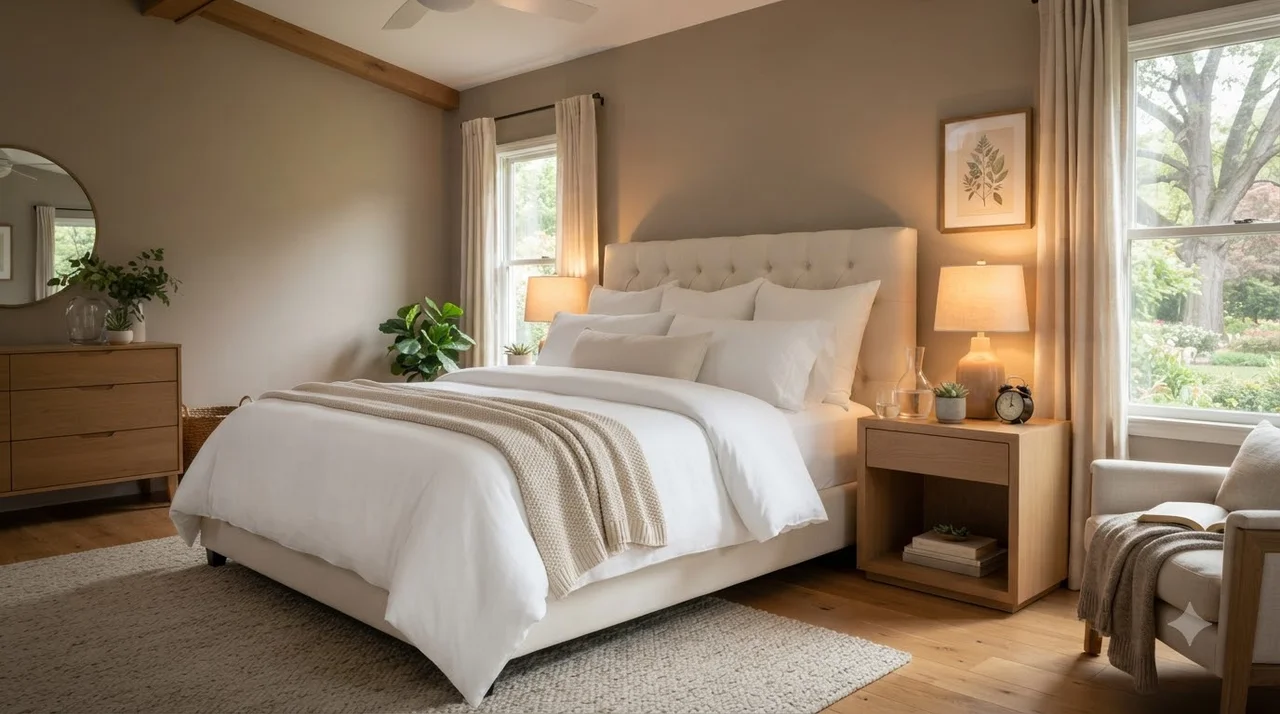
Consistency transforms your space from just an ordinary room into a dedicated restorative cocoon. Use this step-by-step checklist to curate and maintain your sleep quarters every evening.
- ✓ Program thermostat down to 65°F one hour prior to bedtime
- ✓ Draw blackout curtains completely to seal all exterior light gaps
- ✓ Power down overhead cool-toned lighting in favor of warm table lamps
- ✓ Clear clutter from nightstands and banish charging laptops to another room
- ✓ Activate the white noise machine and HEPA air purifier on quiet mode
“Your bedroom should be a temple dedicated exclusively to sleep and intimacy. When you remove visual clutter and environmental irritants, your brain immediately associates the space with effortless rest.”
Optimizing your bedroom environment for better sleep is not about expensive remodeling—it is about thoughtful, consistent environmental adjustments. Implement these changes tonight to wake up energized, clear-headed, and truly rested tomorrow.
Frequently Asked Questions
What is the single most important factor when optimizing a bedroom environment for better sleep?
While darkness and noise control are vital, ambient room temperature between 60°F and 67°F (15.5°C to 19.4°C) is medically recognized as the most critical factor. It directly facilitates the necessary drop in core body temperature required for deep slow-wave sleep.
Are houseplants beneficial for sleep quality in the bedroom?
Yes, specific plants like Snake Plants (Sansevieria) and Peace Lilies release oxygen at night and gently improve ambient humidity, creating a fresher and more relaxing microclimate.
How dark does my bedroom actually need to be?
Ideally, your room should be dark enough that you cannot clearly see your hand outstretched in front of your face. Utilizing full blackout shades and covering electronic LEDs eliminates sleep-disrupting photon leaks.
References and Links
- Sleep Foundation: How to Set Up a Bedroom for Better Sleep
Evidence-based guidelines on temperature, acoustic control, and lighting for an optimal sleep environment. - National Sleep Foundation Sleep Guidelines
Comprehensive expert recommendations on circadian rhythms and home sleep hygiene.
👉 Read Next: Digital Decluttering: Practical Habits to Save Time
👉 Read Next: Declutter Your Skincare Routine for Sensitive Skin: 5 Steps